04.01.2024
Among construction companies, greening of cities and supporting biodiversity are hot topics.
Most Finns live and work in cities. Growing and developing cities require more construction. In turn, a lot of energy and mineral resources are needed to construct, operate and renovate buildings. Construction sector also generates waste and emissions. Europe's Green Deal programme commits stakeholders in the built environment to work together to tackle these problems. There is a lot of thinking going on in the sector about how to achieve the targets in practice.
Among construction companies, greening of cities and supporting biodiversity are hot topics. The cities of the future should have more green roofs and walls, green courtyards, green neighbourhoods that improve people’s well-being and there should be less polluting transport.
Denmark and the Netherlands, for example, have been active in launching experiments in regenerative construction. In regenerative construction, the building is not only constructed sustainably, but it also produces and distributes valuable natural resources. Such thinking is not yet widespread in Finland.
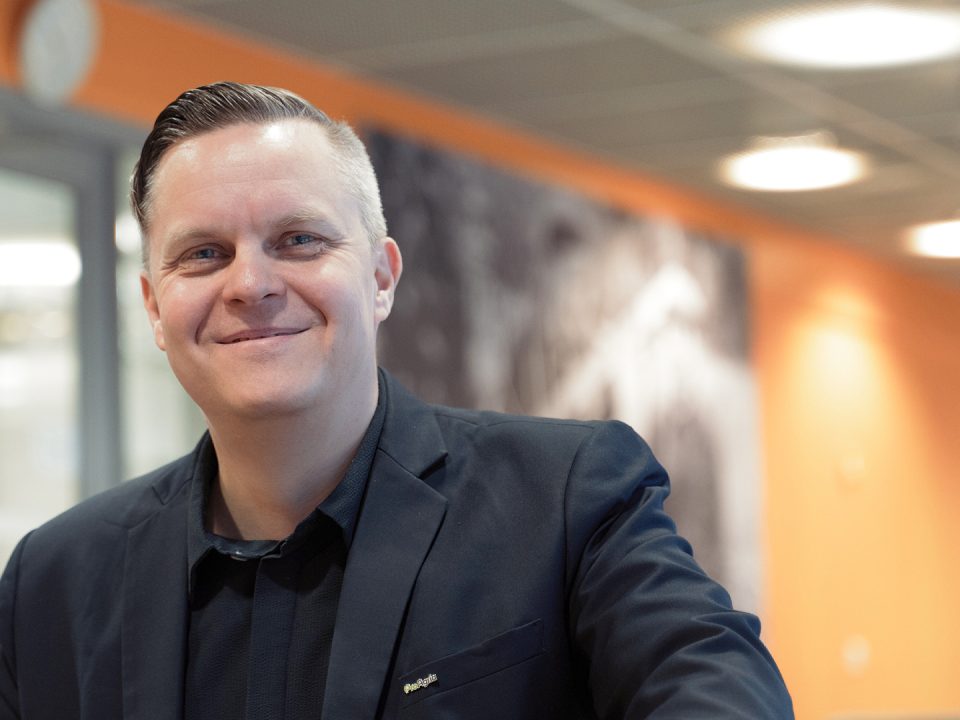
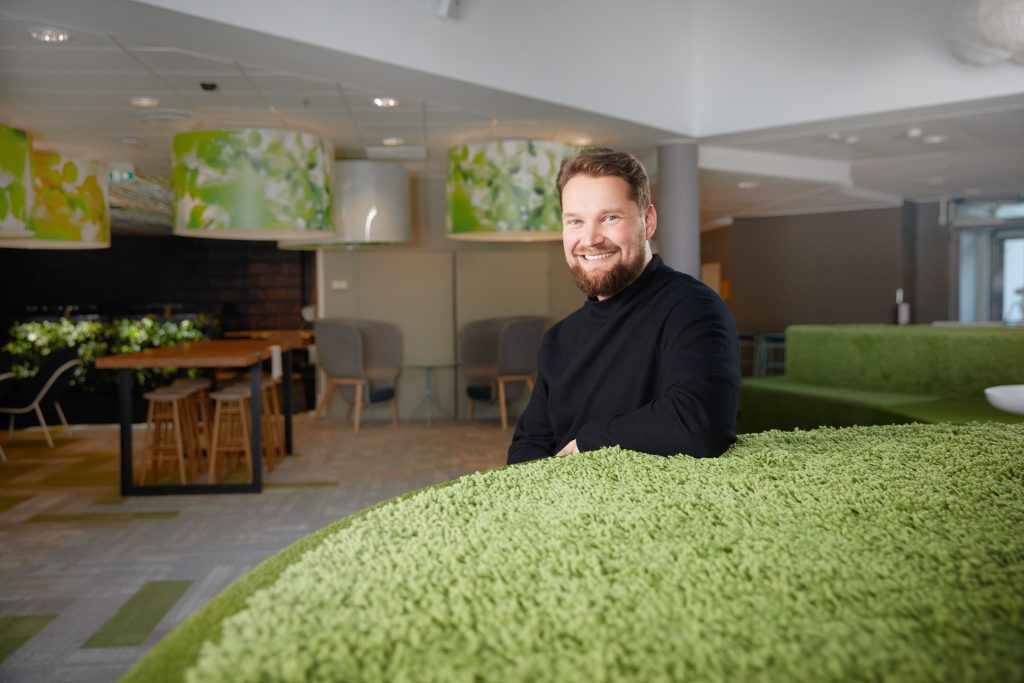
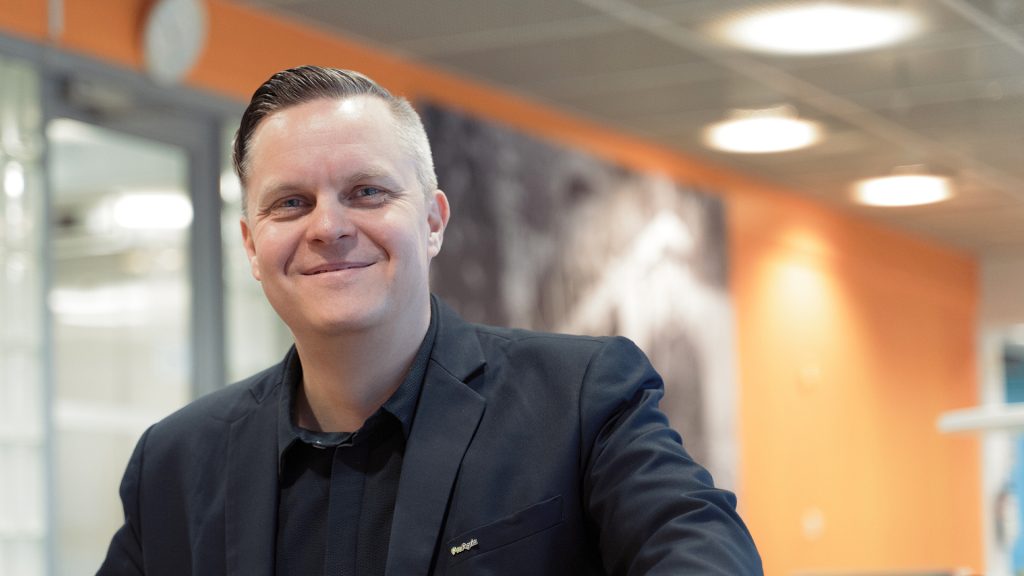
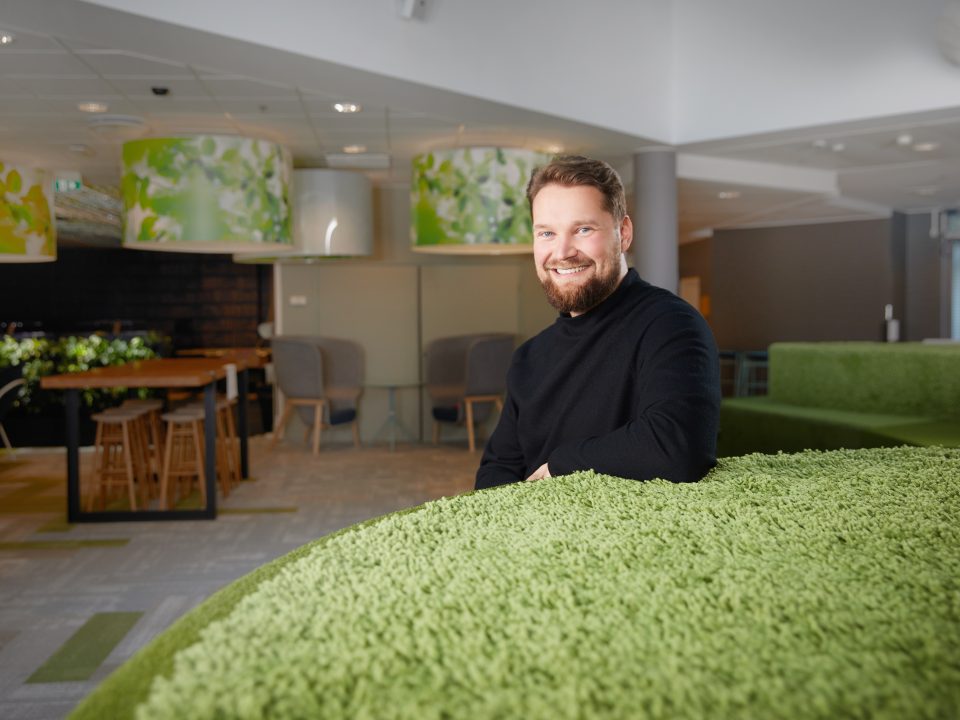
“We have a wide range of design and consultancy expertise and know-how in the construction business. I expect that in Finland we will see the emergence of networks that will begin to promote these innovative perspectives,” says Sami Lankiniemi, Innovation Director at Sitowise. According to Lankiniemi, now is the time for a debate across the value network on how the current system has led to damaging impacts on nature and what lessons have been learned.
In autumn, the Confederation of Finnish Construction Industries RT (CFCI) published a biodiversity roadmap to highlight the problems and obstacles facing the Finnish construction sector. The roadmap also suggests ways in which the sector can contribute to halting biodiversity loss. Director Juha Laurila considers the debate in the sector to be very important
“We want to be the actors that help nature to recover. The construction industry has a big impact if we change the way we do things, and we really have an opportunity now to do big things and make a positive impact”.
It will take more than a roadmap and good will to support biodiversity and halt its loss. It requires investment and a change in the operational chain.
“The cold fact is: We need to change the whole chain of the built environment and, for example, enable circular economy solutions. This will also create new business and potential,” Juha Laurila points out.
Sami Lankiniemi also notes that there is a need for innovation and new business models. For example, there is a demand for sustainable building materials, new construction methods, the development of automation and robotics to optimise the use of natural resources on construction sites, and various data-driven innovations.
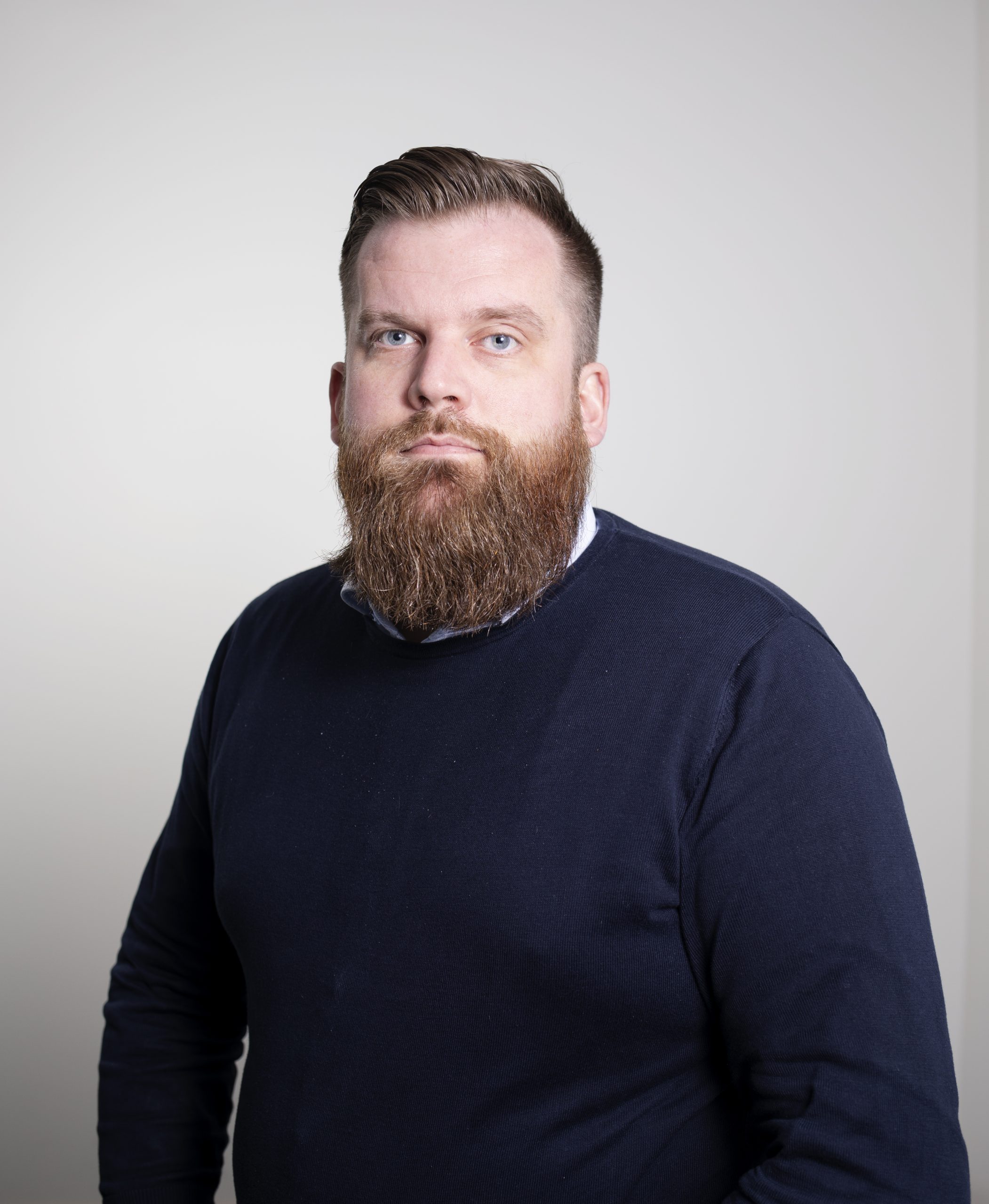
Juha Laurila, Rakennusteollisuus RT. Kuva: Rakennusteollisuus RT
There is a real need in Europe for scalable solutions for the built environment that improve human and environmental well-being. The industry is looking for solutions to improve the planning, monitoring and resource management of work in the built environment sector.
Sami Lankiniemi encourages small businesses and those designing business solutions to be bold networkers:
“It is certainly wise to protect your own solution and not to reveal everything in joint discussions, but above all I encourage you to make contact with larger companies and look for partners. It is worth networking and getting involved in projects, even with a small contribution”.
Sitowise is one of the partners providing services via Location Innovation Hub. Sami Lankiniemi considers actors like LIH as important networks that can provide support for developing digitalisation and international business. Would you like to know more about the Location Innovation Hub’s services for organisations working in the built environment? Contact us.